
Indian Products
Arabica vs Robusta: green coffee from India
How Arabica and Robusta differ, why India grows both under shade, what AA, A, PB and AB grades mean, and what Monsooned Malabar is.
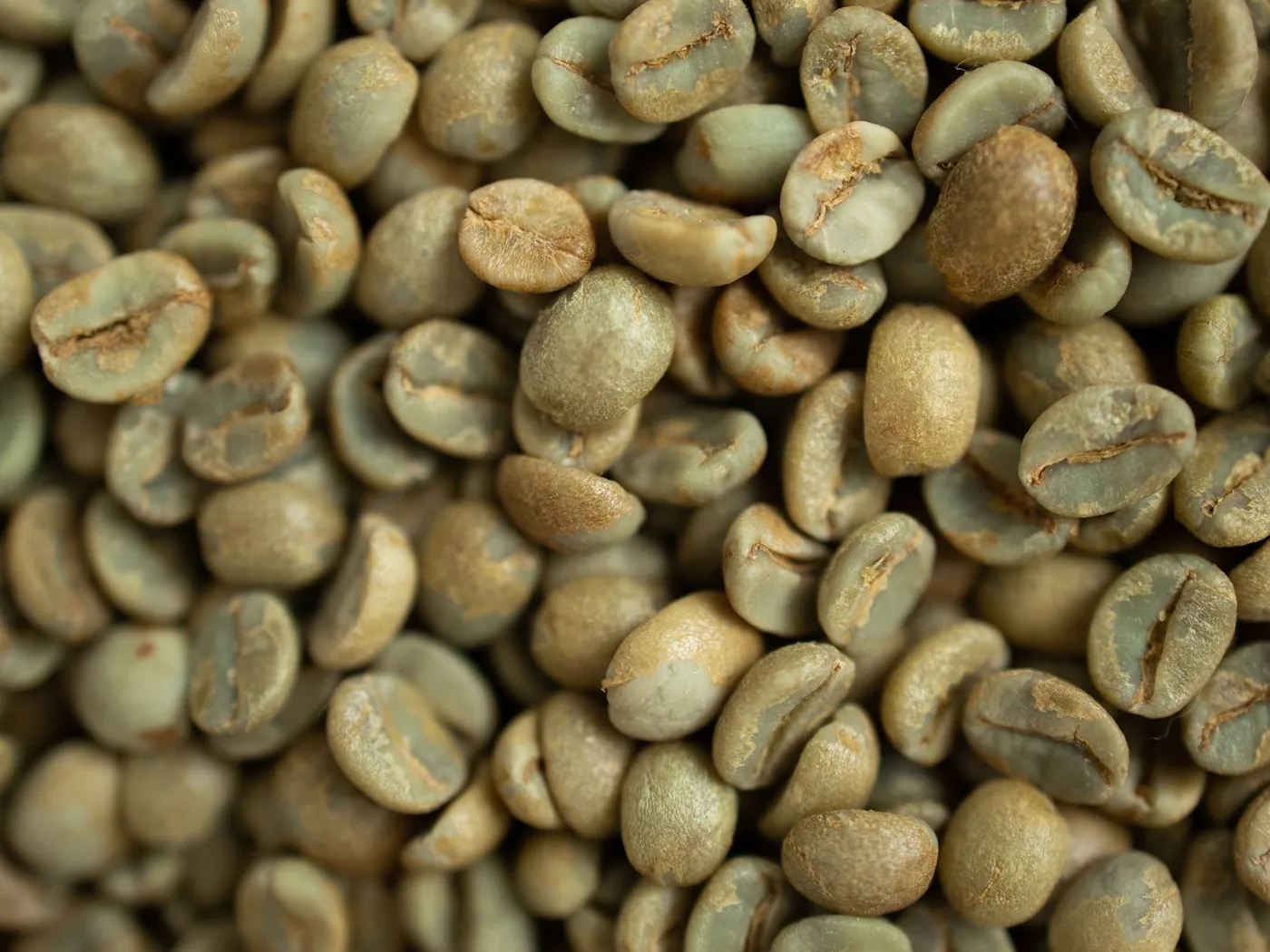
India is a significant coffee producer and exports around three quarters of what it grows. The two species it grows, Arabica and Robusta, serve different buyers.
The two species
Arabica is mild and aromatic. It is used in premium and specialty roasts. Robusta is stronger and more bitter, with a heavier body and higher caffeine, and it is used in espresso blends, as a base for instant coffee and wherever intensity matters. Robusta accounts for roughly 70 percent of India's production and Arabica for the remainder.
Where and how it is grown
India's coffee is predominantly shade-grown under a natural canopy. Karnataka produces more than 70 percent of the national crop, Kerala roughly a fifth, and Tamil Nadu the rest. Named origins include Chikmagalur and Coorg for Arabica, Araku Valley in Andhra Pradesh, and Wayanad in Kerala for Robusta.
Reading the grades
| Species | Commonly traded Coffee Board grades |
|---|---|
| Arabica | Plantation AA, A and PB (Peaberry, a single round bean per cherry) |
| Robusta | Cherry AB |
The grade, the moisture content and the defect count are certified by the Coffee Board's laboratories for each lot. Ask for these three numbers when you compare offers.
Monsooned Malabar
Monsooned Malabar is Indian green coffee exposed to the monsoon winds on the Malabar Coast, which changes the bean's character. It is a distinct style rather than a grade.
Moisture matters
High moisture risks mould and ochratoxin A (OTA) contamination, so moisture control from drying to packing is essential, and importers watch it closely.
Exporting coffee from India
Coffee exports are routed through the Coffee Board of India, which issues the export permit (Form-C), the Certificate of Origin and the quality certificate for each shipment. The HS code for green coffee that is not roasted and not decaffeinated is 0901.11.
See the Green Coffee Beans dossier and the guide to export documents.
Keep reading
- 01
Export Knowledge
Export documents explained
The documents that accompany an export shipment from India, what each one is for, who issues it and which ones depend on the product and destination.
- 02
Export Knowledge
HS codes explained for importers of Indian products
What Harmonized System codes are, why the same product can carry different codes, and how to use the codes for makhana, psyllium, tamarind, coffee and pellets safely.
- 03
Quality & Sourcing
Moisture, purity and mesh explained
Three numbers that appear in almost every agricultural specification. What moisture, purity and mesh actually measure, and how to specify them clearly.
Questions about sourcing from India?
We read every enquiry. Tell us what you are looking for.