
Indian Products
Psyllium husk quality parameters buyers should ask for
Purity, swell volume, moisture, microbial limits, pesticide residues, mesh and heavy metals: the parameters that define psyllium husk quality and why each matters.
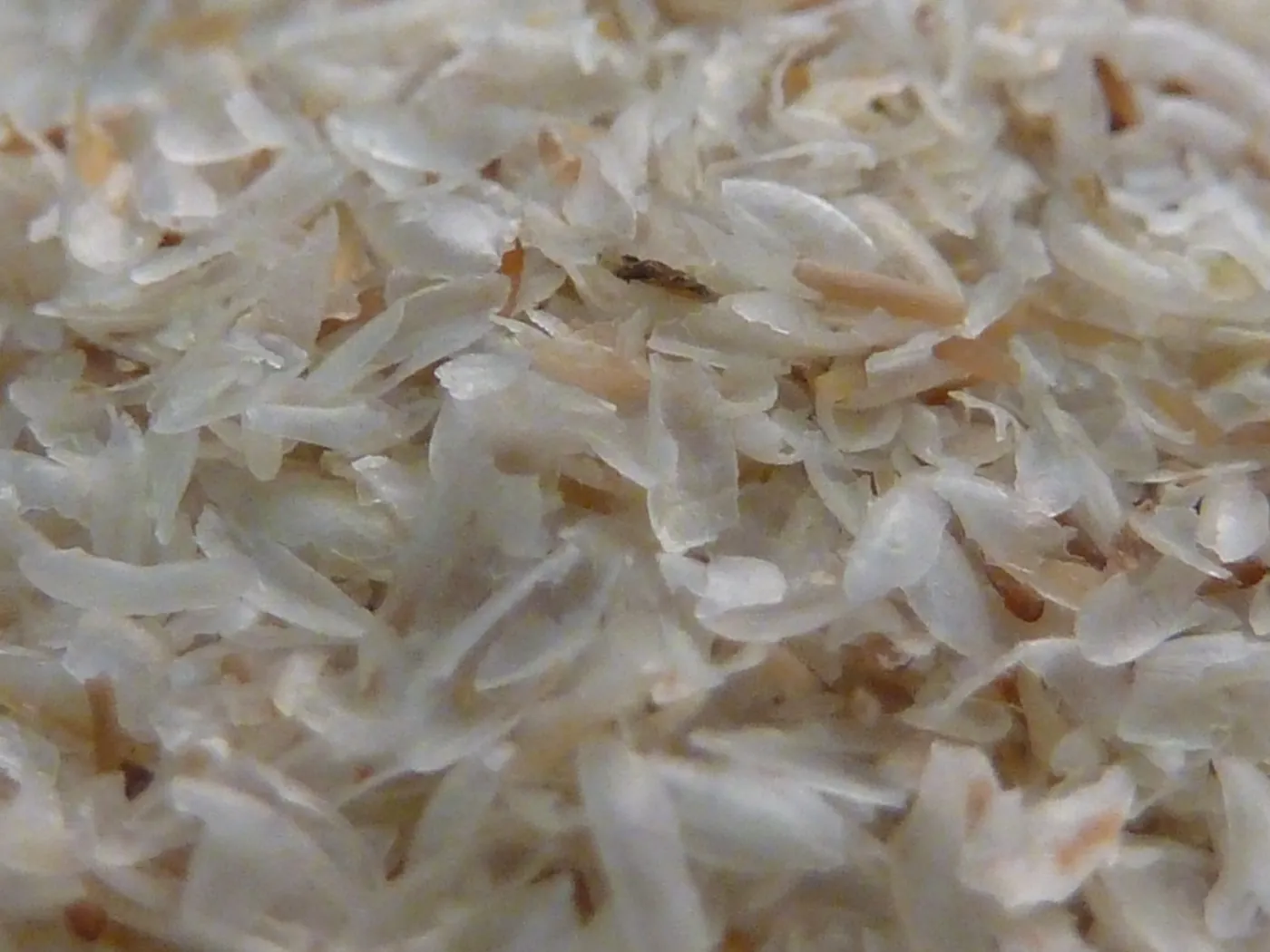
Two lots of psyllium husk can look identical and perform very differently. The parameters below are the ones that separate them, and they are the ones to put in your specification and to check on the certificate of analysis.
The core parameters
| Parameter | Why it matters |
|---|---|
| Purity (husk content) | The primary price differentiator. Common grades are 85%, 95% and 98 to 99%+. |
| Swell volume (swelling index) | The key functional metric, in ml per gram. Higher-purity husk typically shows about 35 to 40 ml/g or better. |
| Moisture | Critical for shelf life and microbial risk. Psyllium is highly hygroscopic. |
| Microbial limits | Total plate count, yeast and mould, E. coli and Salmonella. |
| Pesticide residues | Compliance with maximum residue limits, strictest for the EU and Japan. |
| Foreign matter and ash | Indicators of cleaning and sieving quality. |
| Particle size / mesh | For powder, for example 40, 80 or 100 mesh. |
| Heavy metals | Lead, arsenic and cadmium, increasingly requested by pharma buyers. |
What different markets tend to ask for
- United States: over-the-counter fibre and nutraceutical buyers typically ask for USP-grade specification, USFDA facility compliance and consistent microbial limits.
- Germany and the EU: EU pesticide MRL compliance and traceability, and sometimes EU Organic.
- Japan: very tight quality tolerances and detailed documentation.
- Canada and the UK: retail fibre brands; Halal or Kosher is sometimes optional, and Canadian buyers may need natural health product compliance.
These are patterns, not rules. Ask your own importer or regulator what applies to your product.
Certificates and who holds them
Several certifications sit with the processing facility rather than the exporter: GMP, HACCP or ISO 22000, BRCGS or FSSC 22000, USFDA registration, Halal or Kosher, and organic scope certificates. Others sit with the exporter: an Import Export Code, GST, FSSAI and APEDA registration. When a supplier quotes you a certification, ask whose certificate it is and ask to see a copy.
A practical approach
- Ask for a small sample first, and test it in your own or an independent laboratory.
- Check certificates independently rather than relying on supplier-provided copies alone.
- Specify moisture-barrier packing and palletising for the route.
- Agree the parameters and the test methods in writing before the first container.
Learn how to read these numbers in Moisture, purity and mesh explained. Specifications for the DVG range are on the Isabgol dossier.
Keep reading
- 01
Indian Products
What is isabgol (psyllium husk)?
Isabgol is the husk of Plantago ovata, traded worldwide as psyllium husk. Learn the forms, the purity grades, where it is grown and how it is used.
- 02
Quality & Sourcing
Moisture, purity and mesh explained
Three numbers that appear in almost every agricultural specification. What moisture, purity and mesh actually measure, and how to specify them clearly.
- 03
Quality & Sourcing
Why third-party testing matters in agricultural export
What independent laboratory testing and pre-shipment inspection give a buyer that a supplier's own report cannot, and how to specify them in a contract.
Questions about sourcing from India?
We read every enquiry. Tell us what you are looking for.