
Indian Products
Tamarind forms and grades explained
Tamarind is traded in five very different forms. See how each is graded, what Brix and seed percentage mean, and how to avoid quoting the wrong product.
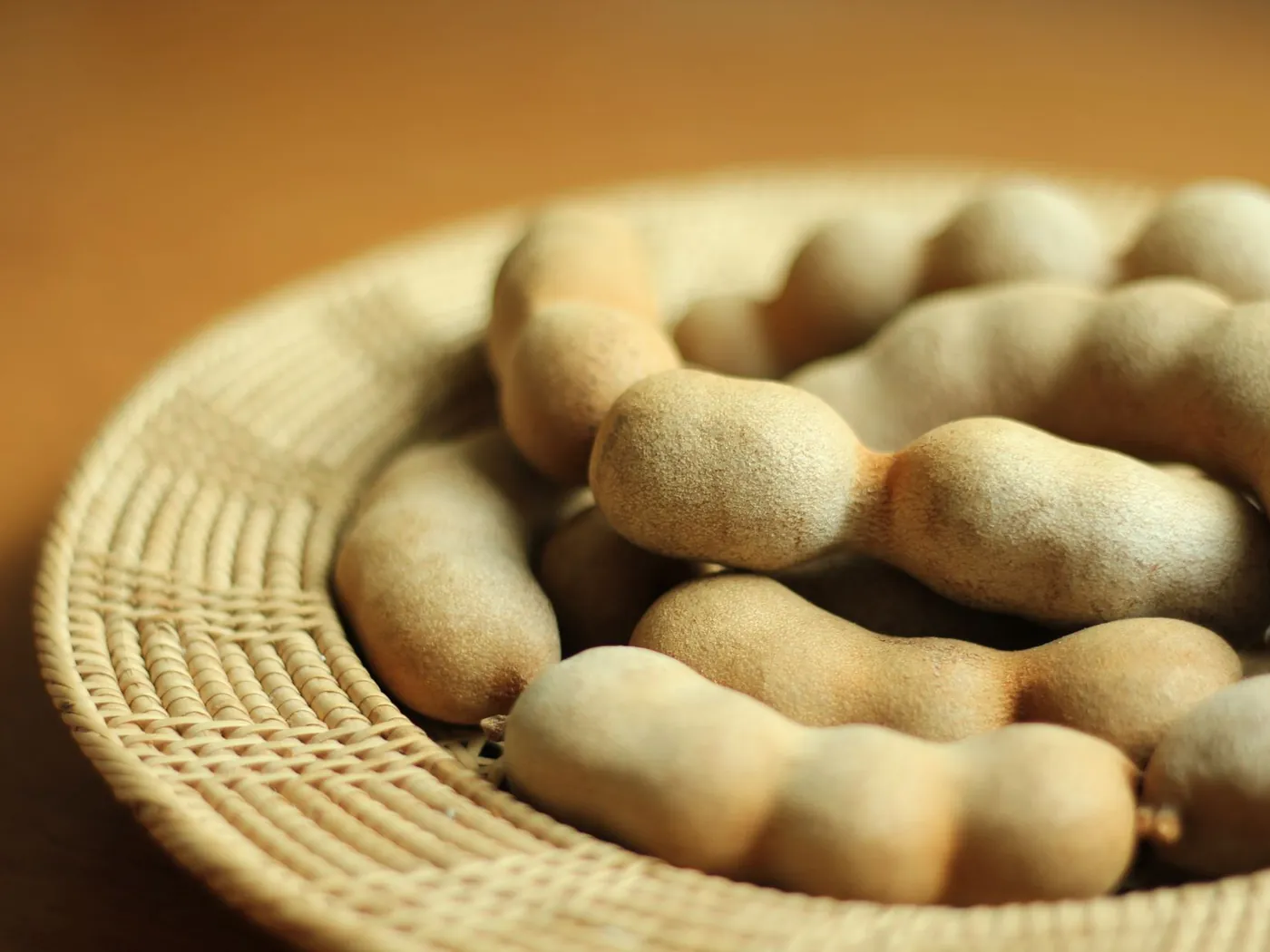
"Tamarind" can mean five materially different commercial products, each with its own grading convention, buyer and price point. Most misunderstandings in tamarind trade come from not stating which form is being quoted.
The five forms
| Form | How it is graded | Typical buyer |
|---|---|---|
| Whole pod (raw) | Mainly moisture and cleanliness: foreign matter, stones | Bulk industrial buyers, further processors |
| Deseeded (seedless) block, with fibre | Residual seed content | Spice distributors, HORECA, retail repackers |
| Concentrate or paste | Brix (soluble solids) | Sauce, condiment, beverage and confectionery manufacturers |
| Powder | Milled from pulp; no single numeric standard | Seasoning blends, instant-mix manufacturers |
| Seed and kernel powder (TKP) | Technical grade or refined food grade | Textile mills, gum manufacturers, food-thickener buyers |
Grading the block
Deseeded block is graded by how much seed remains. About 5 percent seed or less is premium, roughly 95 percent seedless. Up to 10 percent is standard. Between 35 and 40 percent seed is economy grade.
Concentrate and Brix
Concentrate is deseeded, deveined and fibre-free, and is traded at 65 to 80 degrees Brix, dark brown in colour. A depectinised (enzyme-treated) variant, at about 65 degrees Brix, is more water-soluble. Brix is a trade convention rather than a regulatory figure, so state the Brix you need.
A note on standards
There is no dedicated Codex standard for tamarind pulp or paste, and no single authoritative numeric standard for moisture, acidity or sulphur dioxide. Specifications are therefore agreed between buyer and supplier, and confirmed by an accredited laboratory. Include the parameters you care about in your enquiry.
India and the sweet-tamarind question
Indian tamarind is typically the sour culinary and processing type. Thailand's sweet tamarind, which has its own Geographical Indication, is a different product for different occasions. They are not fully interchangeable, so match the variety to your end use. Karnataka, Tamil Nadu and Kerala are commonly cited as India's leading producing states.
Packing
Block is packed in 20 kg cartons or 25 kg PP bags, and retail units run from 125 g to 1 kg. Concentrate ships in 25 kg HDPE drums, with 200 kg drums for very large orders. Tamarind is dense rather than bulky, so containers are weight-limited rather than volume-limited.
Registration note
In India, tamarind is a Spices Board scheduled spice, which means an exporter needs Spices Board registration. Paste and concentrate have no dedicated HS line and are declared under different headings by different exporters, so agree the code with your customs broker from the first shipment. See HS codes explained.
See the Tamarind dossier for DVG's range.
Keep reading
- 01
Buying from India
How export pricing works: from ex-works to CIF
What goes into an Indian export price, how it builds from ex-works to FOB to CIF, and which factors move it. No price lists, just the structure.
- 02
Export Knowledge
HS codes explained for importers of Indian products
What Harmonized System codes are, why the same product can carry different codes, and how to use the codes for makhana, psyllium, tamarind, coffee and pellets safely.
- 03
Quality & Sourcing
Moisture, purity and mesh explained
Three numbers that appear in almost every agricultural specification. What moisture, purity and mesh actually measure, and how to specify them clearly.
Questions about sourcing from India?
We read every enquiry. Tell us what you are looking for.